Eye tracking tools & data correction methodologies
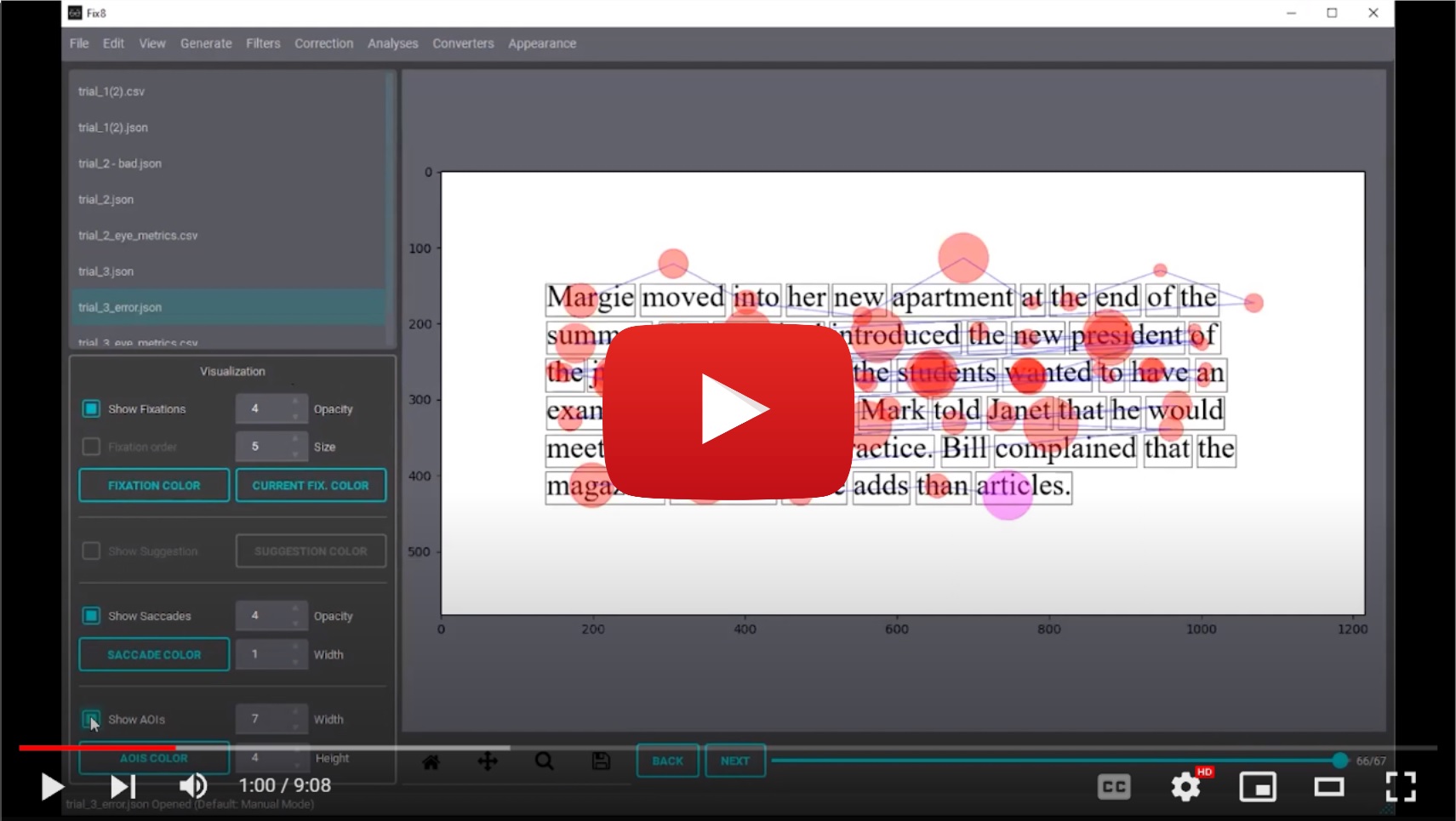
Screenshot from the open-source fix8 tool (see Al Madi et al., Behavior Research Methods, 2025; drift correction in JEMR, PACM HCI).
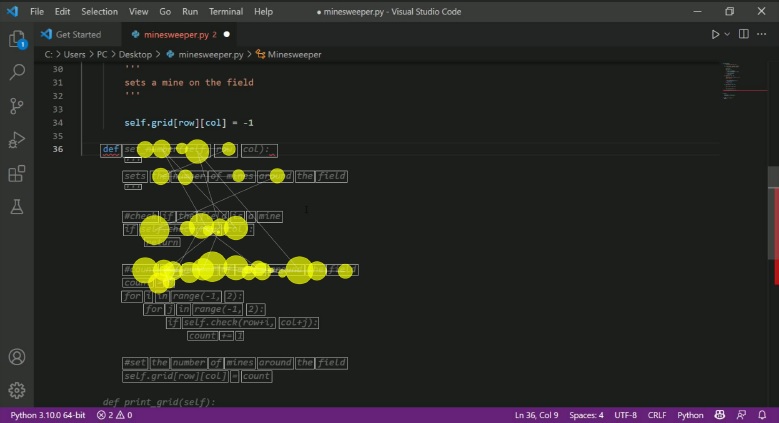
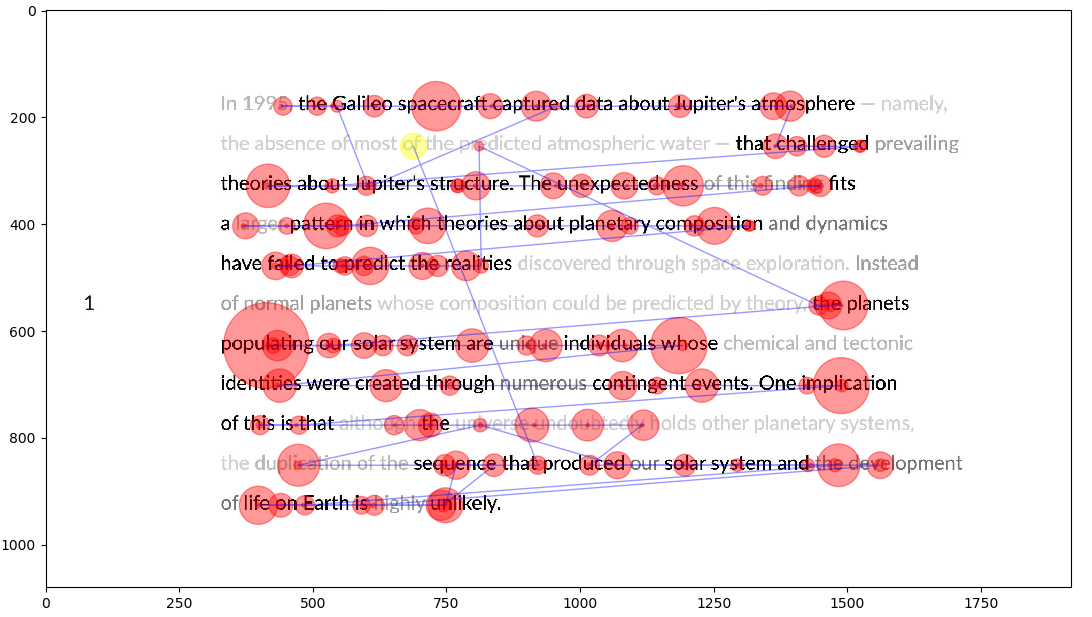
Reliable eye-tracking data is a prerequisite for studying reading in both natural language and source code, yet recordings are often distorted by drift in combination with regressions and progressions especially in reading code. This project develops and evaluates correction methods at multiple levels: comparing manual and automated drift correction, learning eye-movement patterns to drive adaptive correction, and testing semi-automated workflows (including the open-source fix8 tool) that combine automation with human expertise.
Key papers relevant to this project:
- Naser Al Madi. “On the Validity and Benefit of Manual and Automated Drift Correction in Reading Tasks.” Journal of Eye Movement Research, 2025.
- Naser Al Madi. “Identifying Eye Movement Patterns for An Adaptive Approach to Correcting Eye Tracking Data in Reading Tasks.” Proceedings of the ACM on Human-Computer Interaction (PACM HCI), 2025.
- Naser Al Madi, Brett Torra, Agnes Li, and Najam Tariq. “Combining Automation and Expertise: A Computer-Assisted Approach to Eye Tracking Data Correction in Reading Tasks.” Behavior Research Methods, 2025.
- Naser Al Madi. “Advancing Dynamic-Time Warp Techniques for Correcting Eye Tracking Data in Reading Source Code.” Journal of Eye Movement Research, 2024.
- Naser Al Madi, Drew T. Guarnera, Bonita Sharif, and Jonathan I. Maletic. “EMIP Toolkit: A Python Library for Customized Post-processing of the Eye Movements in Programming Dataset.” ETRA 2021.